
Organizations rely on constant information exchange to function effectively. Strategies evolve, projects advance, and market conditions change, and teams need to stay informed to respond coherently. Much of that communication happens through internal presentations, which translate strategy, data, and operational updates into formats that teams can understand and act on.
An internal presentation is not simply a smaller version of an external pitch deck. Its audience already belongs to the organization, which changes expectations, tone, and purpose. The goal is rarely persuasion in the commercial sense. Instead, internal communication presentations focus on alignment, operational clarity, and shared understanding. When done well, they help employees understand why decisions are made, what priorities matter, and how their work contributes to broader objectives.
Many organizations underestimate the importance of presentations for internal comms. Updates are rushed, slides become overloaded with raw data, or meetings lack narrative structure. The result is confusion rather than clarity. Internal presentations require the same discipline that external communications demand: clear presentation structure, intentional storytelling, and thoughtful design.
This article explores how internal presentations function, how they should be structured, and how organizations can use them to support collaboration and decision-making across teams.
The Strategic Role of Internal Presentations
Communication Infrastructure Inside Organizations
Internal communication exists within a complex network of teams, departments, and leadership layers. Each group operates with different responsibilities and time horizons. Leadership teams often focus on strategy and financial performance, while operational teams concentrate on execution and workflow.
Internal presentations serve as bridges between these perspectives. They convert strategy into operational direction and transform operational results into insights for leadership.
For example, a quarterly business review may explain how market conditions are shifting and what adjustments the company must make. A departmental update might describe how those strategic changes translate into concrete actions for a specific team. A training presentation might introduce a new process that supports those actions.
Without structured internal communication, teams operate with partial information. Internal presentations create shared context, allowing individuals across departments to interpret decisions in the same way.
Aligning Employees with Business Objectives
Employees perform better when they understand the broader purpose of their work. Internal presentations help clarify that connection.
When leadership communicates strategic priorities through a structured internal presentation, employees can see how their tasks contribute to larger outcomes. This alignment reduces friction between departments and helps avoid duplicated efforts or conflicting priorities.
For instance, if a company is shifting its focus toward a new product line, marketing, engineering, and customer support must understand the implications simultaneously. A well-structured internal presentation can outline the strategic rationale, timeline, and expected contributions from each department.
The presentation becomes a reference point that teams can revisit when questions arise. In many organizations, these slides function as an internal working document that preserves strategic context beyond the meeting itself.
Supporting Organizational Transparency
Transparency in organizations depends on how information is shared. Internal presentations provide a controlled way to communicate updates without creating confusion.
Leadership may use internal presentations to explain financial performance, discuss operational challenges, or outline changes to the company’s structure. These communications help employees understand not only what decisions were made but also why those decisions were made.
Transparency builds trust within organizations. When employees see consistent, well-structured communication, they gain confidence that leadership is sharing relevant information rather than withholding it.
Common Types of Internal Presentations
Internal presentations take many forms, depending on the communication objective and the audience.
Strategy and Vision Presentations
Strategy presentations explain where the organization is heading and how it plans to reach its goals. These presentations often originate from senior leadership and are delivered during company meetings, leadership summits, or department briefings.
The purpose is to translate abstract strategic goals into practical direction. Employees must understand what the strategy means for their work, which initiatives will receive priority, and how success will be measured.
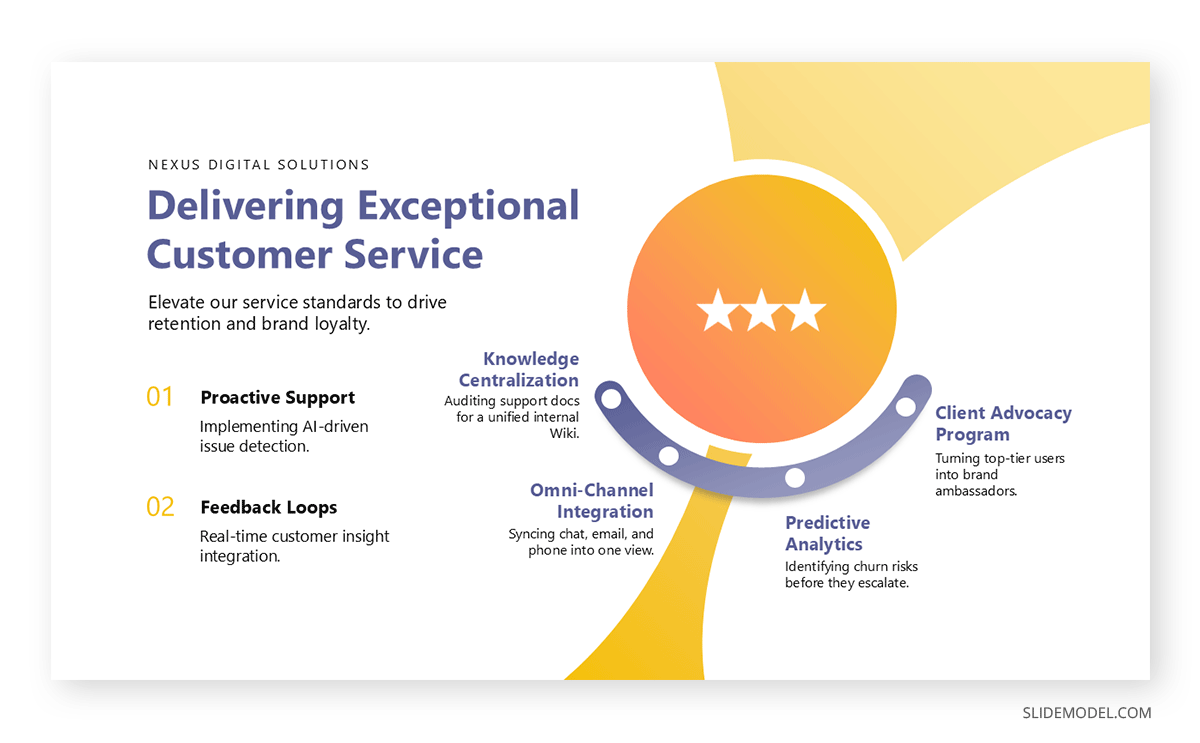
A strategy presentation usually combines market context, company objectives, and operational implications. Without this connection between strategy and execution, employees may struggle to interpret leadership decisions.
Operational Updates
Operational presentations focus on current performance. Teams use them to report progress, identify challenges, and coordinate upcoming work.
These presentations appear frequently in weekly or monthly meetings. Project managers may present timelines, marketing teams may review campaign results, and engineering teams may provide updates on product development.
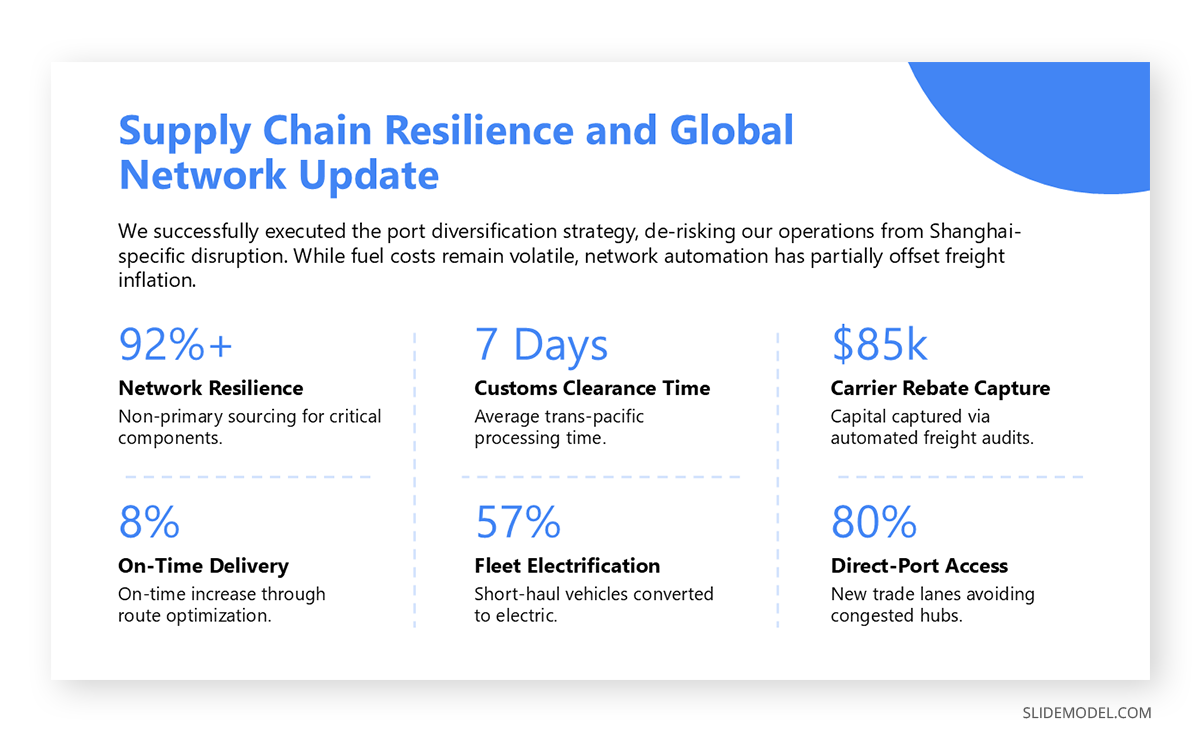
Operational updates require clarity more than persuasion. The goal is to present information that enables teams to coordinate actions and adjust priorities as needed.
Training and Knowledge Transfer
Training presentations introduce new processes, tools, or policies. Organizations rely on them to maintain consistent practices across departments.
When a company adopts a new software platform, for example, employees must learn how to use it. A training manual template can help demonstrate workflows, explain common errors, and outline best practices.
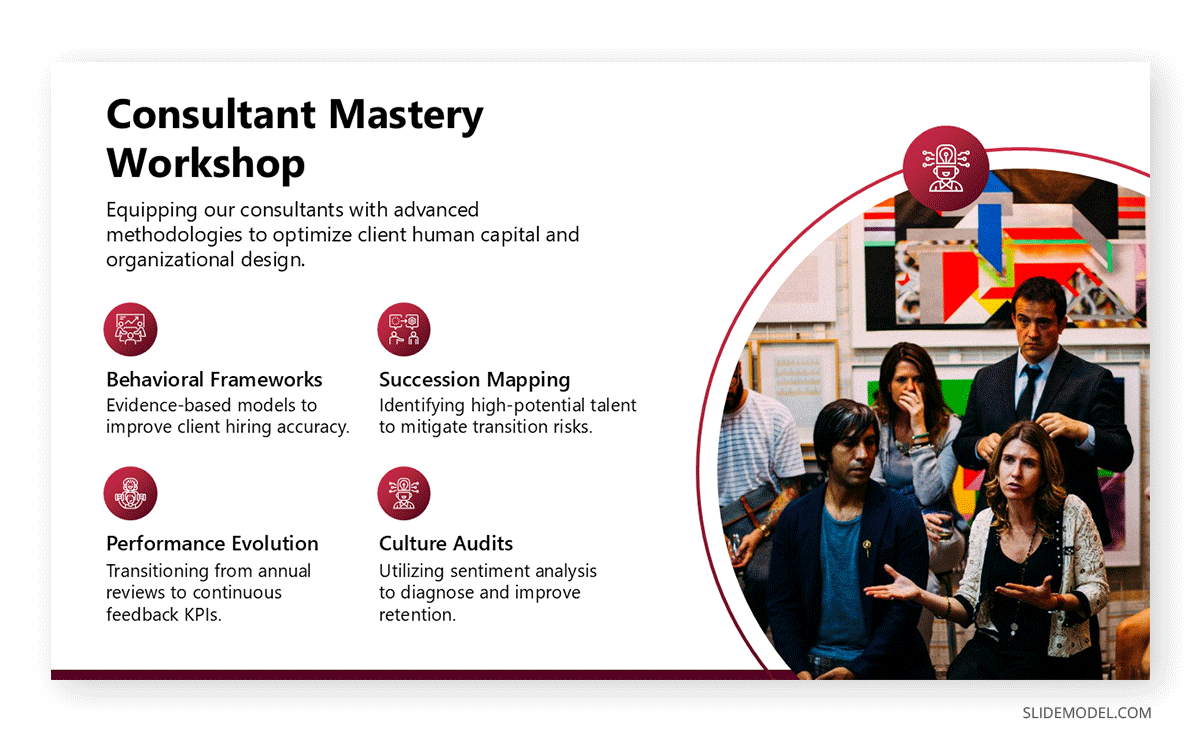
Knowledge transfer presentations often function as reusable materials. After the session ends, the slides continue to serve as reference guides for employees who need to revisit the instructions later.
Cultural and Organizational Communication
Not all internal presentations focus on metrics or strategy. Some exist to reinforce company culture or explain organizational values.
Examples include onboarding presentations for new employees, leadership talks about the company’s mission statement, or internal conferences focused on collaboration and innovation.
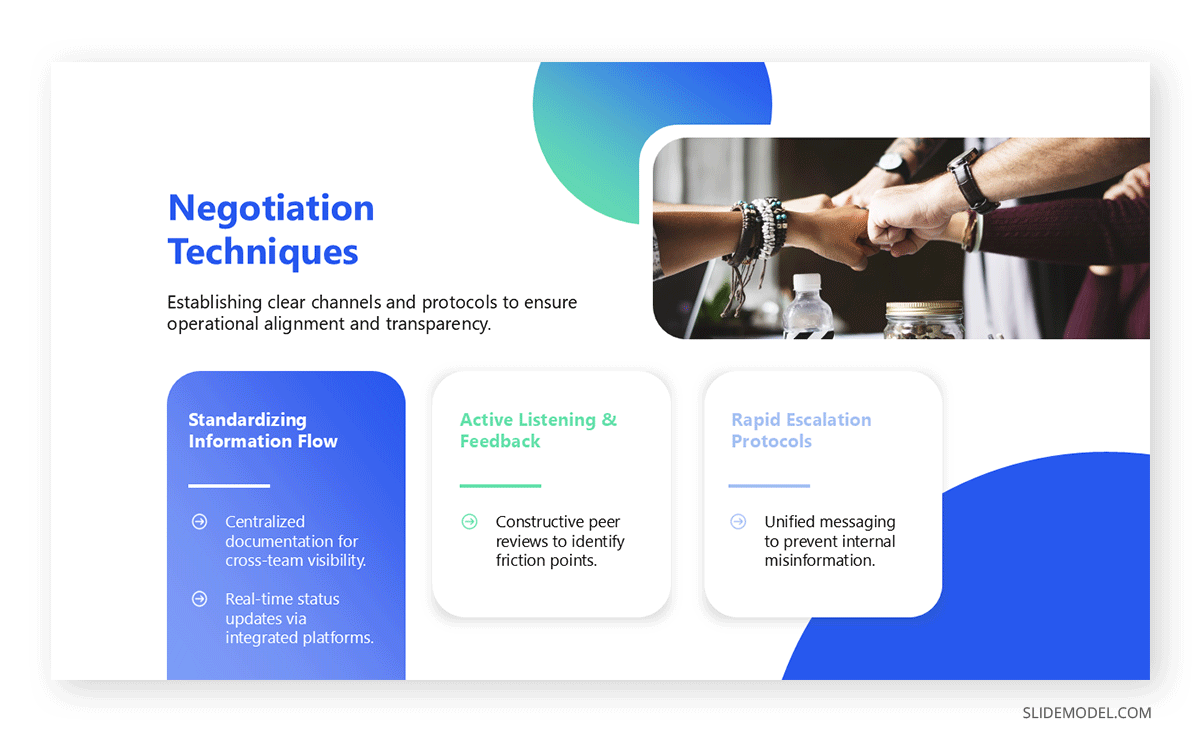
These presentations shape employees’ perceptions of the organization and their interactions with colleagues. They influence culture by reinforcing shared language and expectations.
Designing Presentations for Internal Communication
Clarity Over Complexity
Internal audiences often have limited time and competing responsibilities. A presentation that requires excessive interpretation will quickly lose attention.
Clarity begins with defining the core message. Before building slides, the presenter must determine what the audience should understand or be able to do after the meeting.
Slides should focus on the information necessary to support that objective. Extraneous data or unrelated details create cognitive overload and weaken the presentation’s impact.
This principle is particularly important when internal presentations contain performance metrics. Raw dashboards rarely communicate meaning on their own. The presenter must interpret the data and explain its implications for the organization.
Logical Narrative Structure
Even within an internal meeting, a presentation should follow a clear narrative progression.
The presentation typically begins with context. The audience needs to understand the situation that prompted the meeting. This might involve market developments, operational results, or upcoming initiatives.
After establishing context, the presentation introduces key insights or updates. These insights explain what has changed and why it matters.
The final portion of the presentation focuses on implications. Employees should leave the meeting with a clear understanding of the next steps or strategic priorities, in the format of a presentation summary.
This narrative structure transforms slides from static information displays into coherent explanations.
Maintaining Consistency with Organizational Communication
Large organizations often develop visual standards for presentations. These guidelines ensure that slides across departments maintain a consistent style.
Consistency improves comprehension. When employees repeatedly encounter the same visual structure, they learn how to interpret information quickly.
For example, a standardized layout for operational updates might place key metrics at the top of each slide, followed by explanations and action items. Over time, employees become familiar with this structure, which reduces the effort required to process new information.
Consistent presentation design also reinforces professionalism in internal communication.
Using Data Effectively in Internal Presentations
Interpreting Metrics Rather Than Displaying Them
One of the most common mistakes in internal presentations is treating data as self-explanatory. Teams often display a dashboard slide PPT filled with numbers, but fail to explain what those numbers represent.
Data becomes meaningful only when it is interpreted within a broader context.
For example, a marketing deck may show that website traffic increased by fifteen percent. Without additional explanation, the audience cannot determine whether this result reflects a successful campaign, seasonal fluctuations, or changes in tracking methodology.
The presenter must clarify the factors behind the change and explain its implications for future decisions.
Connecting Metrics to Strategic Goals
Internal audiences care less about isolated metrics and more about how those metrics relate to organizational priorities.
A sales team might report revenue growth, but leadership will want to understand how that growth aligns with the company’s broader strategy. Is the increase coming from new markets? Existing clients? Product upgrades?
Internal presentations should highlight these relationships. Doing so helps employees see how operational outcomes support strategic goals.
Avoiding Information Overload
Data can easily overwhelm an audience when presented without structure. Slides containing dozens of metrics force employees to search for relevant information.
Effective internal presentations select only the data that supports the current discussion. Additional details can remain in supplementary materials or in the internal working document associated with the presentation.
Recommended lecture: Data Storytelling
This approach ensures that meetings focus on decision-relevant information rather than exhaustive reporting.
Structuring Internal Presentations for Different Audiences
Leadership Briefings
Presentations delivered to executive leadership require concise analysis. Leaders are primarily interested in implications rather than operational details.
A leadership briefing presentation might include high-level performance indicators, strategic risks, and recommendations for action. Detailed operational data can appear in supporting materials if necessary.
The presenter’s role is to interpret complex information and translate it into strategic insight.
Departmental Presentations
Departmental meetings involve a different level of detail. Employees working on the same projects often need more granular information about tasks, timelines, and resource allocation.
In this context, the internal presentation becomes a coordination tool. Slides may include workflow diagrams, project milestones, or performance benchmarks relevant to the team.
Clarity remains essential, but the depth of information is greater than in executive briefings.
Cross-Department Communication
Some internal presentations address audiences from multiple departments. These situations require particular care because participants may have different technical backgrounds.
The presenter must avoid jargon that only one team understands. Instead, explanations should focus on shared organizational objectives and how each department contributes to them.
Cross-department presentations often emphasize collaboration. They clarify dependencies between teams and outline how coordination will occur.
Common Mistakes in Internal Presentations
Treating Slides as Meeting Agendas
Slides sometimes become simple lists of discussion topics. While agenda slides help organize meetings, they rarely provide meaningful insight.
An internal presentation should explain ideas rather than merely label them. Each slide must contribute information that moves the discussion forward.
Overloading Slides with Text
Employees cannot read large blocks of text while simultaneously listening to a presenter. Slides filled with paragraphs force the audience to choose between reading and listening.
Concise text paired with clear explanations works more effectively. If detailed documentation is necessary, it can be included in the accompanying materials.
Ignoring Audience Perspective
Presenters occasionally focus on what they want to say rather than on what the audience needs to understand.
Internal communication becomes effective only when the presenter considers the audience’s role, responsibilities, and existing knowledge. Slides should address questions that the audience is likely to have.
FAQs
What is an internal presentation?
An internal presentation is a structured communication format delivered within an organization to share information, align teams, or explain decisions. These presentations are typically used to communicate company updates, project progress, operational performance, or strategic direction. Unlike external presentations aimed at clients or investors, internal presentations focus on helping employees understand priorities, expectations, and organizational context.
Why are internal presentations important for organizations?
Internal presentations help ensure that employees across departments share the same understanding of company goals, operational priorities, and ongoing initiatives. Without structured communication, teams may operate with incomplete or inconsistent information. Presentations provide a clear format for leadership to explain decisions and for teams to report progress, which supports alignment and coordination throughout the organization.
How do internal presentations differ from external presentations?
External presentations usually focus on persuasion or sales, targeting audiences such as investors, partners, or customers. Internal presentations focus more on clarity, coordination, and shared understanding among employees. The tone is often more direct, and the content may include operational details or internal data that would not be shared outside the organization.
What should an effective internal presentation include?
An effective internal presentation typically includes context, key insights, and practical implications. The presenter explains the situation that prompted the discussion, presents relevant updates or findings, and clarifies what actions or decisions follow from that information. Slides should support the explanation rather than replace it, providing structure and reference points for the audience.
How detailed should internal presentation slides be?
The level of detail depends on the audience and the purpose of the meeting. Executive briefings generally require concise summaries and strategic interpretation, while departmental updates may include more detailed operational information. In many cases, slides also serve as an internal working document, meaning they should remain understandable even when reviewed later without the presenter present.
How often should organizations use presentations for internal communication?
The frequency of presentations for internal comms depends on how the organization operates. Many companies use weekly or monthly presentations for operational updates, while strategy presentations may occur quarterly or during major organizational changes. The key factor is consistency. Regular presentations create predictable communication channels that employees can rely on.
How can presenters keep employees engaged during internal presentations?
Engagement improves when presentations encourage discussion rather than passive listening. Presenters can introduce key insights and then invite participants to share feedback or questions. This approach allows employees to clarify uncertainties, contribute practical knowledge from their roles, and feel involved in decision-making processes.
Final Thoughts
Internal communication shapes how organizations operate. Teams rely on shared understanding to coordinate work, adapt strategies, and respond to challenges. Internal presentations play a central role in building that shared understanding.
When thoughtfully designed, these presentations clarify priorities, explain decisions, and connect employees with organizational goals. They help transform strategy into coordinated action across departments.
Effective presentations for internal comms require deliberate structure, clear data interpretation, and awareness of the audience’s perspective. Slides should guide discussion rather than overwhelm participants with information.
Over time, internal presentations also become part of the organization’s knowledge infrastructure. As an internal working document, a presentation captures strategic context and preserves institutional memory for future teams.