
An oral presentation is a structured form of spoken communication designed to convey ideas, research findings, proposals, or arguments to a specific audience. Unlike written reports, oral presentations depend on the interaction between the speaker and listeners. The presenter must organize information clearly, deliver it in a coherent sequence, and maintain audience engagement while speaking.
Oral presentations are used across many contexts. In business environments, they support decision-making, strategy proposals, sales pitches, and performance updates. In education, they function as learning assessments, classroom explanations, and thesis defenses. Despite these differences in setting, the fundamental objective remains consistent: to translate complex information into a format that listeners can quickly understand and retain.
In this article, we’ll explore how to create powerful oral presentations that give a lasting impression to the audience.
What are Oral Presentations?
An oral presentation is a structured form of spoken communication in which a presenter explains ideas, research, results, or proposals to an audience. It usually follows a presentation structure that includes an introduction, the main explanation, and a conclusion. The goal is to communicate information clearly and guide the audience through the speaker’s reasoning.
Oral presentations are widely used in academic environments, professional meetings, conferences, and training sessions. Visual aids, such as slides, may support the explanation, but the core of the presentation lies in the speaker’s verbal delivery and ability to organize information effectively.
The speaker must therefore consider several factors simultaneously: the audience’s expectations, the purpose of the presentation, the time available, and the complexity of the subject matter. These variables influence the presentation’s structure and determine which communication techniques are appropriate.
Developing competence in this format involves mastering oral presentation skills, including audience analysis, verbal clarity, pacing, and visual support. These skills allow presenters to guide listeners through a narrative rather than merely reading information aloud.
The Role of Oral Presentations in Business and Education
In professional environments, oral presentations serve as tools for persuasion, reporting, and coordination. Executives present financial results to stakeholders, consultants explain recommendations to clients, and managers introduce new initiatives to internal teams. These presentations often carry practical consequences because decisions may follow directly from what is presented.

Educational settings approach presentations differently. Students frequently deliver an individual oral presentation as part of coursework to demonstrate comprehension of a topic. Teachers may also use presentations to explain complex concepts, summarize research, or guide classroom discussion.
Despite the different objectives, both contexts require a similar set of communication abilities. The speaker must present information logically, manage time effectively, and tailor explanations to the audience’s level of expertise.
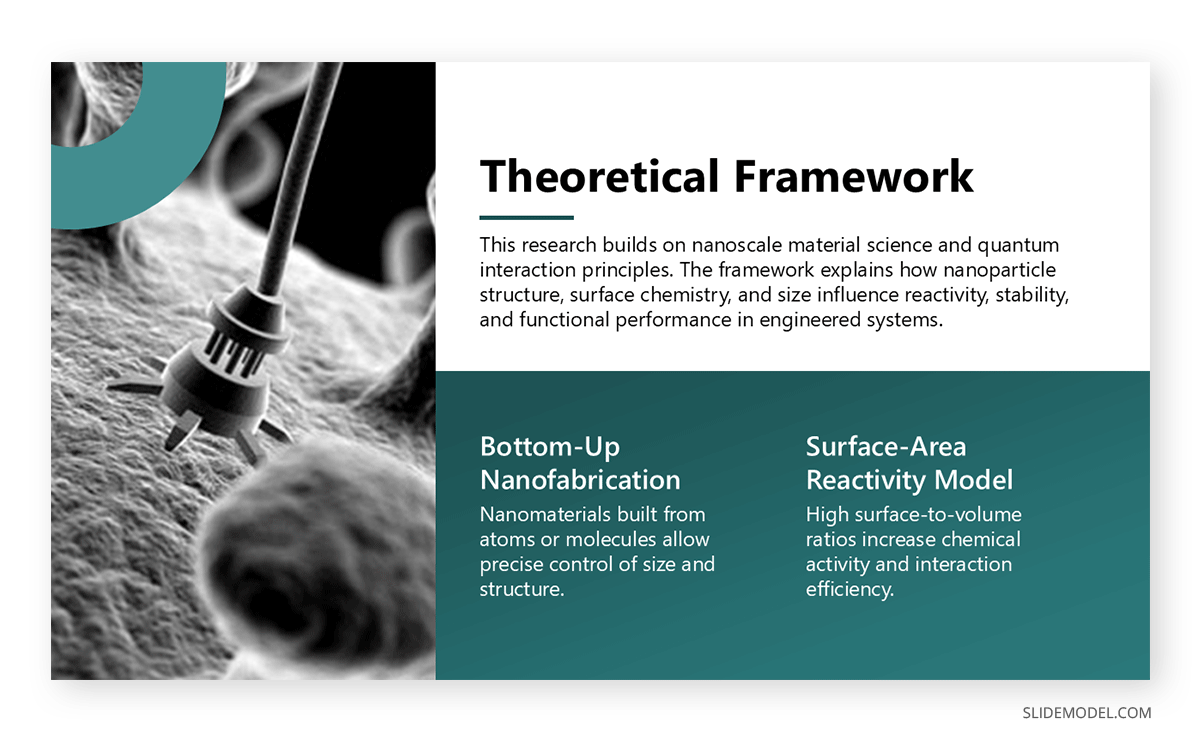
Students often treat presentations as memorization exercises, but effective presentations rely more on explanation than recall. The goal is not simply to repeat prepared text but to communicate ideas in a way that shows understanding.
Professionals face another challenge: time constraints. Many corporate presentations must communicate essential information quickly. Senior decision-makers in board presentations often allocate limited attention to them, so clarity and structure become critical.
The Four Main Types of Oral Presentations
Different presentation contexts call for different communication strategies. Although formats vary widely, most presentations fall into a small number of categories. Understanding these distinctions helps presenters choose the appropriate structure.
The 4 types of oral presentation commonly recognized in academic and professional settings include:
- Informative presentations
- Persuasive presentations
- Instructional presentations
- Analytical or reporting presentations
Informative presentations focus on explaining a topic clearly. University lectures, technical briefings, and educational talks belong to this category. The presenter’s role is to translate complex material into understandable concepts.

Persuasive presentations aim to influence decisions or opinions. Business proposals, investor pitches, and policy recommendations typically fall into this category. Evidence and argumentation play a central role.

Instructional presentations teach a process or procedure. Training sessions, workshop presentations, and tutorials are common examples. The speaker must demonstrate steps and clarify how tasks should be performed.

Analytical presentations present data or research findings. These are common in academic conferences, project reviews, and performance reports. The emphasis lies on interpreting and explaining results.

Structuring an Effective Oral Presentation
An effective oral presentation generally follows three structural phases: introduction, development, and conclusion.
Introduction
The introduction establishes context and explains the purpose of the presentation. At this stage, the presenter clarifies what the audience will learn or decide by the end. In business presentations, introductions are often brief because the audience may already be familiar with the subject matter. You can learn powerful insights in our guide on how to start a presentation.
Development
The development section forms the core of the presentation. Here, the presenter explains arguments, findings, or recommendations in a logical order. Each idea should connect naturally with the previous one. This continuity helps listeners understand the broader message.
Transitions
Transitions play an important role in maintaining coherence. Speakers should signal when they move from one topic to another so the audience can follow the narrative without confusion.
Conclusion
The conclusion summarizes the central ideas and reinforces the key takeaway. In business presentations, this often includes a call to action or a request for a decision. In educational presentations, it may involve summarizing the main argument or highlighting the research’s implications. Learn more about this in our article on how to end a presentation.
Communication Techniques for Giving an Oral Presentation
Delivery determines whether the audience understands the message. Strong oral presentation skills involve more than speaking loudly or clearly. They include vocal control, posture, eye contact, and audience interaction.
Vocal pacing plays a central role. Speaking too quickly can overwhelm listeners, while speaking too slowly may reduce engagement. The presenter should vary tone and emphasis to highlight important ideas.
Eye contact helps maintain audience connection. When speakers look directly at listeners, the presentation feels more conversational and less scripted.
Body language also affects credibility. Confident posture and controlled gestures reinforce the presenter’s authority. Excessive movement or repetitive gestures can distract from the content.
Another important technique involves explaining visual aids effectively. Presenters should not read slides verbatim. Instead, they should interpret and expand upon the information shown.
Pauses can also enhance clarity. Brief pauses allow listeners to process information and help emphasize important points.
Time-Limited Oral Presentation Formats
Many professional and academic environments impose strict time limits on presentations. These formats require presenters to prioritize clarity and brevity.
A 5 minute oral presentation often appears in project updates or conference lightning sessions. Speakers must summarize complex ideas quickly while maintaining coherence.
A 3 minute oral presentation represents an even greater challenge. This format is common in competitions or research summaries, where presenters must communicate the essence of a project in a very short period. Learn more about it in our article on how to make short presentations.
In contrast, a 10 minute oral presentation allows slightly more depth but still demands careful organization. Presenters must balance explanation with conciseness.
Time limits encourage presenters to focus on key ideas rather than exhaustive detail. This discipline often results in clearer communication because unnecessary information is removed.
FAQs
What are the most important oral presentation skills?
Strong oral presentation skills include clear organization of ideas, effective verbal communication, and audience awareness. Presenters must be able to explain complex information in accessible language, control pacing and tone, and maintain engagement through eye contact and confident posture. Preparation and rehearsal are also critical skills because they allow the presenter to manage time and refine explanations. In professional environments, presenters must also interpret visual data and respond to questions with clarity.
How long should a 5 minute oral presentation or 10 minute oral presentation be prepared?
A 5 minute oral presentation requires strict focus on a limited number of ideas. Presenters usually introduce the topic quickly, explain one or two key points, and conclude with a clear takeaway. A 10 minute oral presentation allows more explanation but still requires careful prioritization. In both cases, rehearsal is essential to ensure the presentation fits the time limit. Many speakers aim to rehearse slightly under the allotted time to allow for natural variation during delivery.
What makes a good oral presentation example?
An individual oral presentation example demonstrates clear structure, relevant evidence, and effective delivery. The presenter introduces the topic by providing context, explaining ideas logically, and supporting claims with credible data or examples. Visual aids are used to clarify information rather than repeat spoken content. The presentation concludes by reinforcing the key message. Effective examples also show confidence in delivery, including steady pacing and clear articulation.
What is a rubric oral presentation assessment?
A rubric oral presentation is an evaluation tool that defines performance levels for different aspects of a presentation. The rubric may include criteria such as content accuracy, structure, delivery quality, visual support, and audience engagement. Each criterion has defined scoring levels so instructors can assess presentations consistently. Rubrics are commonly used for an oral presentation for an exam, where objective evaluation is especially important.
Why is evaluating oral presentations important?
An oral presentation rubric helps both presenters and organizations improve communication effectiveness. In education, evaluation allows instructors to assess students’ understanding of a topic and their communication abilities. In professional environments, feedback helps presenters refine their messaging, structure, and delivery techniques. Systematic evaluation also identifies recurring communication issues such as unclear explanations, excessive information, or poor time management. Over time, this feedback contributes to stronger presentation performance.
Should speakers memorize a script when giving an oral presentation?
Memorizing a full presentation script is rarely recommended for oral presentations. Speakers who memorize text often sound unnatural and may struggle if they forget a line. A better approach is to prepare structured notes or key points that guide the explanation. This allows the presenter to speak naturally while maintaining the intended sequence of ideas. Familiarity with the topic, rather than memorization, usually produces clearer and more confident delivery.
How can presenters handle questions during an oral presentation?
Audience questions are common in many presentations, especially in academic defenses, business briefings, and training sessions. Presenters should listen carefully before answering and take a moment to clarify the question if necessary. If the answer is complex, the speaker can briefly summarize the question for the audience before responding. When the presenter does not know the answer, it is better to acknowledge the limitation and offer to follow up later rather than speculate.
What role do visual aids play in developing oral presentations?
Visual aids support developing oral presentations by helping audiences interpret information quickly. Charts, diagrams, and images can clarify complex relationships that would be difficult to explain verbally. However, visuals should not replace the speaker’s explanation. Slides that contain large blocks of text encourage reading rather than listening. Effective visual aids highlight essential information and allow the presenter to expand on it verbally.
How can presenters reduce nervousness before giving an oral presentation?
Nervousness is common even among experienced speakers. Preparation is the most effective way to reduce anxiety when giving an oral presentation. Rehearsing the presentation several times builds familiarity with the content and timing. Arriving early to test equipment and review the speaking environment can also reduce uncertainty. Some presenters benefit from brief breathing exercises before starting, which help control pacing and vocal clarity.
When should organizations consider alternatives to oral presentations?
Organizations sometimes consider alternatives to oral presentations when the audience needs to review information independently or when scheduling a meeting is difficult. Written reports, recorded briefings, and interactive dashboards allow people to examine material at their own pace. These formats may be preferable when the objective is documentation or reference rather than live discussion. However, oral presentations remain valuable when real-time interaction and clarification are necessary.
What is the difference between an oral vs poster presentation?
The difference between an oral vs poster presentation is mainly the format and interaction style. In an oral presentation, a speaker explains a topic to an audience within a set time, usually supported by slides. The presenter guides the audience through the material step by step.
A poster presentation uses a large visual poster to summarize the work with charts, images, and brief text. Instead of a formal talk, attendees review the poster individually and discuss it with the presenter in brief conversations.
Final Words
Oral presentations remain one of the most widely used communication tools in business and education. They allow speakers to explain ideas, present research, propose decisions, and guide discussions in a structured format.
Mastering oral presentation skills requires more than preparing slides. Effective presenters develop clear narratives, organize content logically, and practice delivery techniques that support understanding.