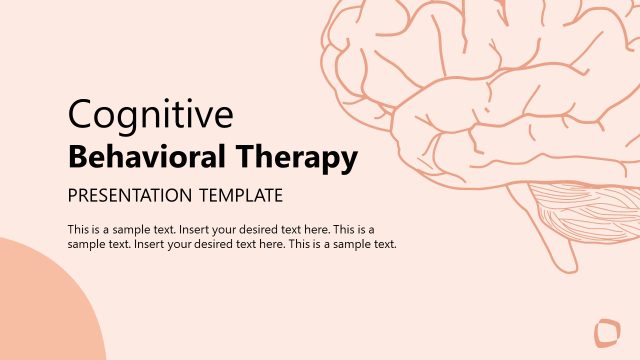
Create your presentation about the physiology and behaviors of the teenage brain using the Understanding the Teen Brain PowerPoint Template. The teenage brain is a special area of interest for behavior trainers, psychologists, and medical professionals because it is an age of rapid brain development and remodeling of its components. In teenagers, all brain parts develop rapidly and differentially, affecting children’s thinking, cognitive, risk-taking, and reacting capabilities. We have created this template for psychologists, trainers, biology teachers, and scholars. Psychologists can utilize this template in their parents’ training sessions to demonstrate the aspects of thinking in teens and teach them how to respond to their teen’s actions. Moreover, they can utilize this template for awareness sessions in seminars about how parents can support their kids.
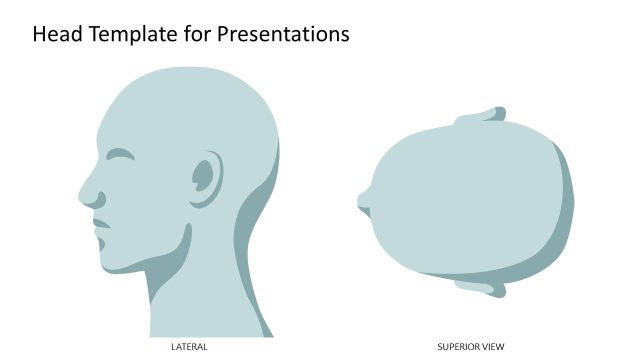
Professionals can discuss the brain’s developmental stages and the impact of social media and technology on them. The template has many different designs of brain infographics so that presenters can depict their key points visually. We have the title, introduction, and agenda presentation slides in the beginning. Next, in the following slide of the Understanding the Teen Brain PowerPoint Template, we have provided a human head illustration with many sections to discuss the core human brain development stages. Following are the key points that users can discuss in the presentation:
- The Prefrontal Cortex
- The Limbic System
- Hormonal Changes
- Cognitive Development
- Emotional Changes
- Risk Taking Behaviour
- The Impact of Sleep
- Social Development
- Technology and the Teen Brain
- Supporting your Teen
- Common Myths About Teenagers
The template is editable, and users can add or remove PPT features. They can also modify the PowerPoint components of the template layout to fit their needs accurately. Download our understanding of the teen brain presentation template to make comprehensive presentations for parenting, psychology series, or awareness sessions. Try it now! Also, check our collection of brain PowerPoint templates and medical presentation templates.
What’s inside this template
Example presentation scenarios
- A psychologist can use the head-section infographic and prefrontal cortex slide to explain why teenage decision-making differs from adult decision-making during a parent education workshop.
- A biology teacher can use the limbic system diagram, hormonal changes cards, and sleep impact slide to connect brain anatomy with classroom learning objectives.
- A school counselor can use the risk-taking behavior cards and emotional changes hub diagram to guide a student support training for teachers.
- A youth program facilitator can use the technology, social development, and supporting your teen slides to frame a discussion about digital behavior and healthy support strategies.
- A seminar presenter can close with the common myths list and Q&A slide to correct assumptions and invite audience questions.
Features
- 100% editable presentation template
- Compatible with Microsoft PowerPoint
- 16:9 aspect ratio slides
- Scalable vector shapes, icons and illustrations
- AI-Ready for Microsoft Copilot and Claude
- Instant access and download
Frequently asked questions
Q: How should a presenter explain teen brain development without overwhelming parents or educators?
A: Start with the agenda, then use the head-section infographic as the mental map for the whole session. Introduce one brain area or behavior topic at a time, such as the prefrontal cortex, limbic system, sleep, and risk-taking. Keep each slide focused on one takeaway, then use the myth list to correct assumptions before Q&A.
Q: Who is this template best suited for in a live training or awareness session?
A: It fits presenters who need to translate adolescent brain concepts for non-specialist audiences, including psychologists, counselors, biology teachers, and parent educators. The layouts balance explanatory text with brain visuals, icon cards, and photo slides, making it useful when the goal is understanding behavior rather than presenting dense clinical research.
Q: Why do the brain diagrams and circular icon layouts help the message land?
A: The design uses the brain as a recurring visual anchor, which keeps biological explanations connected to everyday teen behavior. Circular callouts on emotional changes and supporting your teen imply connected influences rather than isolated facts. This helps the presenter show that sleep, emotions, risk, technology, and social development interact during adolescence.


Understanding the Teen Brain PowerPoint Template
17-slide PowerPoint presentation template for teen brain education, psychology training, and parent workshops
Understanding the Teen Brain PowerPoint Template is a 17-slide Microsoft PowerPoint deck for explaining adolescent brain development. It includes a title slide, agenda, head-section infographic, prefrontal cortex and limbic system diagrams, icon card layouts, myth comparison list, and Q&A slide for educators, psychologists, trainers, and parent workshop presenters.
- Category
- Template Backgrounds
- Rating

 Loading...
- Aspect ratio
- 16:9
- Item ID
- 77066-01
- Colors
 Microsoft PowerPoint
 Microsoft Copilot
 Claude for PowerPoint
Other formats supported
Subscribe today and get immediate
access to download our PowerPoint templates.